魅力スポット_吉田の綱引き
令和7年度「地域観光資源の多言語解説整備支援事業」に採択されました。
採択された多言語化の内容を掲載します。
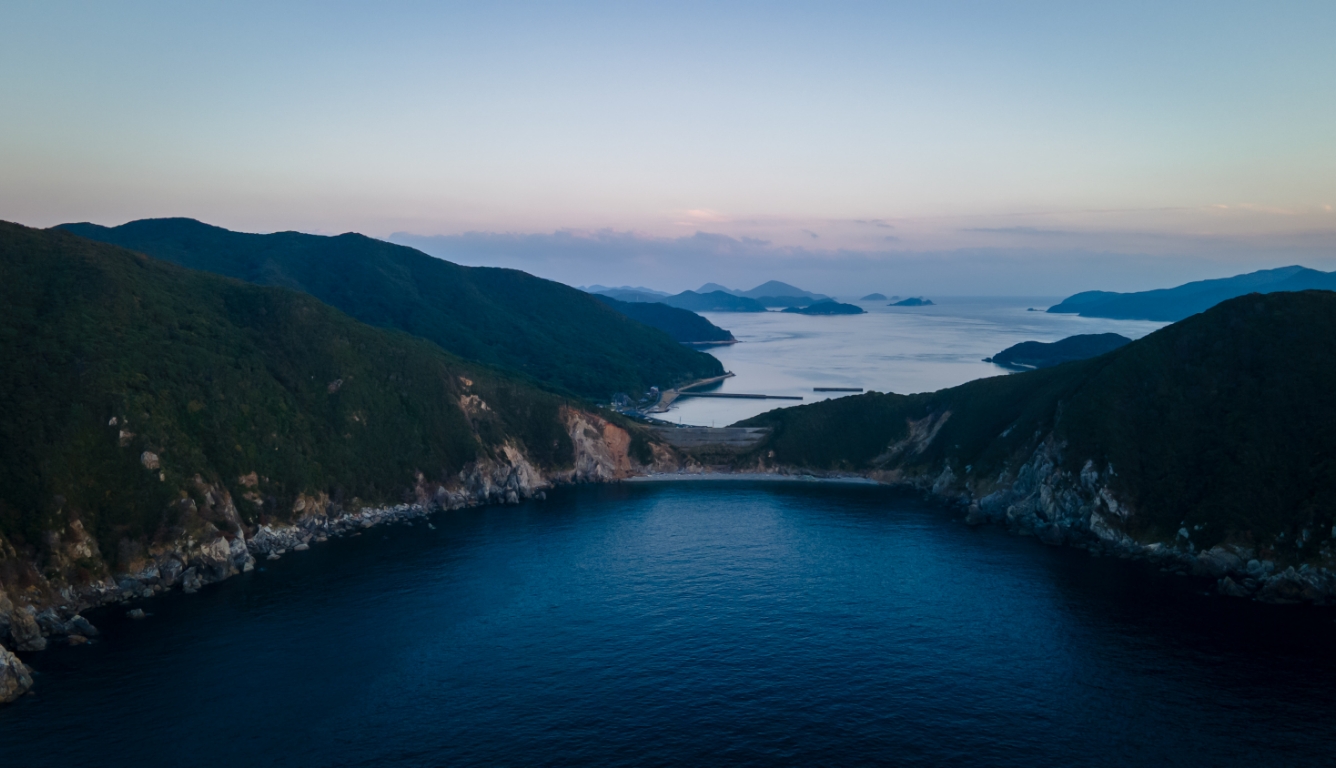
吉田の綱引き
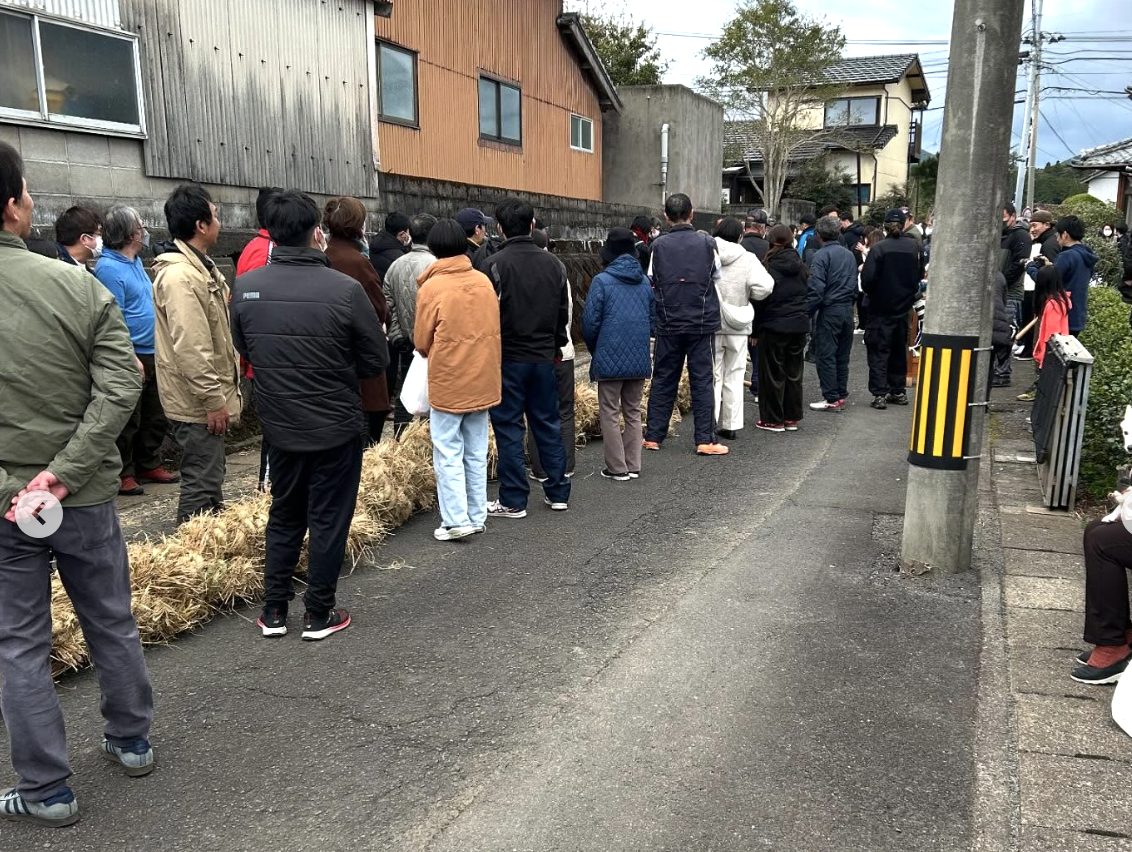
吉田の綱引きは五島八十八カ所第5番札所の隣にある吉田公民館付近で開催されます。
吉田公民館
〒853-0042 長崎県五島市吉田町1403-1
吉田の綱引き
毎年1月16日、福江島の吉田地区の住民は路上で集まり、地域社会あげての綱引きに参加する。この活気あふれる行事は数世紀にわたり受け継がれてきた伝統で、新年の豊穣と豊かな収穫・漁獲を祈願して行われる。伝統的には男女対抗戦であり、男性が綱の一端を、女性と子供たちがもう一端を引くことで、陰と陽という対立する宇宙の力を象徴していた。この勝負に敗者はなく、男性の勝利は豊作を、女性の勝利は漁師たちの豊漁を約束するとされた。現在ではルールは緩やかになり、男女混合チームによる和やかな雰囲気で行われる。
綱引きの前日、地元住民が稲わらで二本の綱を作り、それらを繋ぎ合わせて全長約50メートルの綱を完成させる。吉田地区の人口がより多かった昔には、150メートルもの長さの綱が作られた記録が残っている。行事終了後、この綱は近隣の大山祇神社に奉納され、神に捧げられる。
この行事の歴史は少なくとも1732年に遡る。その年、地域を襲った飢饉を受けて、大山祇神への信仰の証として7年ごとに神社を再建するという慣習が始まった。五島市は吉田の綱引きを無形民俗文化財に指定している。
Myojoin Temple : Grounds
The grounds of Myojoin Temple on the outskirts of the town of Fukue are designed to represent the journey of rebirth, or attainment of Buddhahood in this life. This is a central element of Shingon Buddhism. After entering through the main gate, visitors cross a stone bridge over a small pond. This marks the separation between the secular world and the sacred precincts. It symbolizes the crossing of the river that is believed to mark the boundary between the world of the living and the afterlife.
The path then turns left toward the Goma Hall, where the principal image is a statue of Fudo Myo-o, one of the five Buddhist Wisdom Kings. Fudo Myo-o is an incarnation of Dainichi, the supreme deity of the Shingon school, and according to the school’s teachings, the first divinity that the dead encounter upon reaching the underworld. He is depicted with a wrathful expression against a background of flames, ready to lead devotees to salvation. He wields a sword in his right hand to strike down earthly desires, and in his left is a noose for ensnaring evil thoughts. The blue-painted Fudo Myo-o statue at Myojoin appears to be averting its gaze, as if in a contemplative state.
A small wooden box next to the Fudo Myo-o statue contains a copper statue of Yakushi, the Buddha of medicine and healing. This statue is believed to have been intended to protect the envoys who traveled to Tang China via the Goto Islands between the eighth and ninth centuries. Local tradition holds that Myojoin was originally a guest house for these envoys. Among them was Kukai (774–835), the founder of Shingon Buddhism, who upon his return from China in 806 is said to have converted the place into a temple.
The journey of rebirth through the grounds culminates in the Main Hall, on the far end of the temple grounds. The hall’s coffered ceiling is decorated with paintings mainly of plants and birds, while the four corners bear images of tennyo, celestial beings that lead the dead to paradise. The journey symbolizes how, according to the temple’s teachings, anyone can attain Buddhahood, as long as they devote themselves to spiritual practice and maintain a pure heart.
五島八十八ヵ所札所巡り
福江島に点在する大小88の仏寺・仏堂を巡る「五島八十八ヵ所札所巡り」は、五島列島最大の島を巡る心と景観の旅路である。巡礼路には明星院・大寳寺・大円寺といった著名な祈願地から、地域社会に大切に守られる小さな道端のお堂までが点在する。仏教寺院を巡る巡礼でありながら、宗教的信条や所属に関わらず、どなたでも参加できる。同様に、参加に関する絶対的なルールも存在しない。巡礼全体を一回の旅行で完了する必要はなく、88ヶ所を1番から順に巡る必要もない。
五島八十八ヵ所札所巡りは、四国の島々にある88の仏教寺院を結ぶ巡礼路である有名な四国八十八ヶ所巡礼の地方版。四国巡礼路は真言宗開祖・空海(774–835)によって開かれたと伝えられる。空海は五島列島の歴史にも登場し、804年に中国への遣唐使として、また806年の帰途にもこの島々を通過している。しかし五島八十八ヵ所札所巡りは、はるかに新しい起源を持つと考えられている。その最初の形態は、おそらく明治時代(1868–1912)に確立された。当時、四国の巡礼が民衆の間で人気を博したピークを過ぎ、四国へ巡礼に行けない人々のために地域巡礼を築く慣行が一般的になっていた時期である。
Goto 88-Temple Pilgrimage
Eighty-eight Buddhist temples and halls of various sizes across Fukue Island make up the Goto 88-Temple Pilgrimage, a spiritual and scenic journey around the largest of the Goto Islands. The route encompasses prominent sites of prayer such as Myojoin, Daihoji, and Daienji temples, as well as small roadside sanctuaries lovingly maintained by local residents. Although it involves visiting Buddhist temples, the pilgrimage is open to everyone, regardless of religious beliefs or affiliation. Likewise, there are no absolute rules regarding participation. The entire pilgrimage does not need to be completed in one journey, nor is it necessary to visit the 88 sites in order from 1 to 88.
The Goto 88-Temple Pilgrimage is a regional counterpart to the famous Shikoku 88-Temple Pilgrimage, which links 88 Buddhist temples across the island of Shikoku. The Shikoku route is traditionally attributed to Kukai (774–835), founder of the Shingon school of Buddhism. Kukai also appears in the history of Goto, having passed through the islands in 804 on his way to China as a government envoy, and again upon his return in 806. By contrast, the Goto 88-Temple Pilgrimage is believed to be of later origin. The first version of it was likely established in the Meiji era (1868–1912), after the popularity of the Shikoku Pilgrimage had begun to wane and the creation of local pilgrimages for devotees unable to travel to Shikoku had become common practice.