魅力スポット_白石のともづな石
令和7年度「地域観光資源の多言語解説整備支援事業」に採択されました。
採択された多言語化の内容を掲載します。
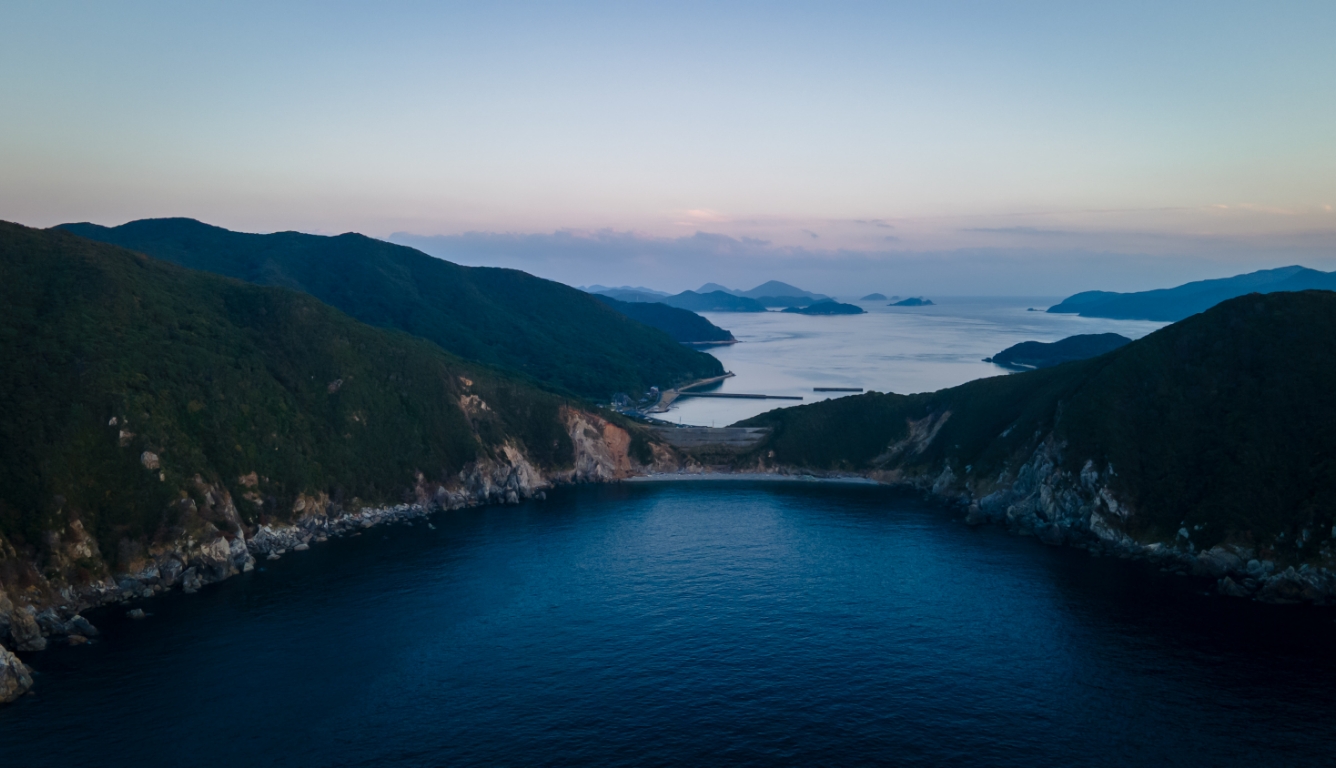
白石のともづな石
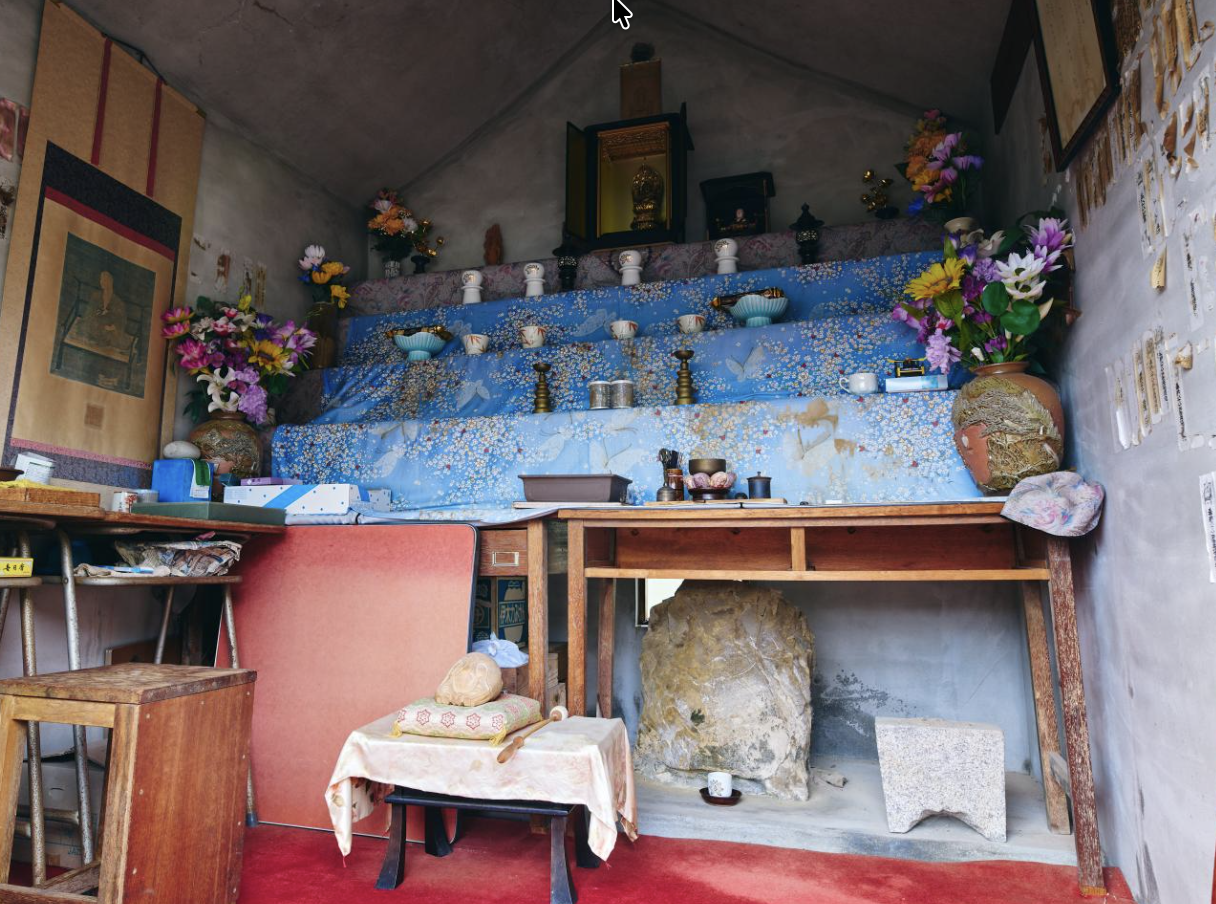
白石のともづな石の解説をします。
所在地:〒853-0702 長崎県五島市岐宿町川原306
白石のともづな石
福江島は、8世紀から9世紀にかけて唐の中国へ渡った日本の使節団「遣唐使」の多くにとって、最後の寄港地であった。使節団はしばしば船の修理や食料補給をしながら、島の風を遮る湾で順風を待ち、その後外洋へ船出した。一部の使節団は福江島北部の白石湾に寄港したと考えられており、そこには遣唐使船が係留されたと伝えられる石が崇拝の対象となっている。
このともづな石は、後世の埋め立て工事により現在では水際から離れた場所に立っている。地元の人々は海上の安全を祈願し、風化した石を収める祠を建立した。祠には花や線香、食物や飲み物の供物が捧げられることが多く、これは五島の人々が何世紀にもわたり実践してきた神仏習合の信仰形態を体現している。
Tomozuna Stone at Shiraishi
Fukue Island was the final point of departure for many of the Japanese envoys (kentoshi) who traveled to Tang China between the eighth and ninth centuries. These delegations often had to wait for favorable winds in the island’s sheltered bays, where they serviced their ships and stocked up on supplies before venturing across the open sea. A rock believed to have been a mooring stone for the envoys’ ships stands beside Shiraishi Bay in northern Fukue; it has come to be venerated as sacred.
Due to landfill work carried out in later centuries, this Tomozuna stone now stands some distance from the water’s edge. Local residents pray to the stone for safety at sea and have built a modest shrine to house the weathered relic. Offerings of flowers, incense, and food and drink are often placed in the shrine—an expression of the hybrid form of Shinto-Buddhist faith that has shaped spiritual life in the Goto Islands for generations.