魅力スポット_福江島
令和7年度「地域観光資源の多言語解説整備支援事業」に採択されました。
採択された多言語化の内容を掲載します。
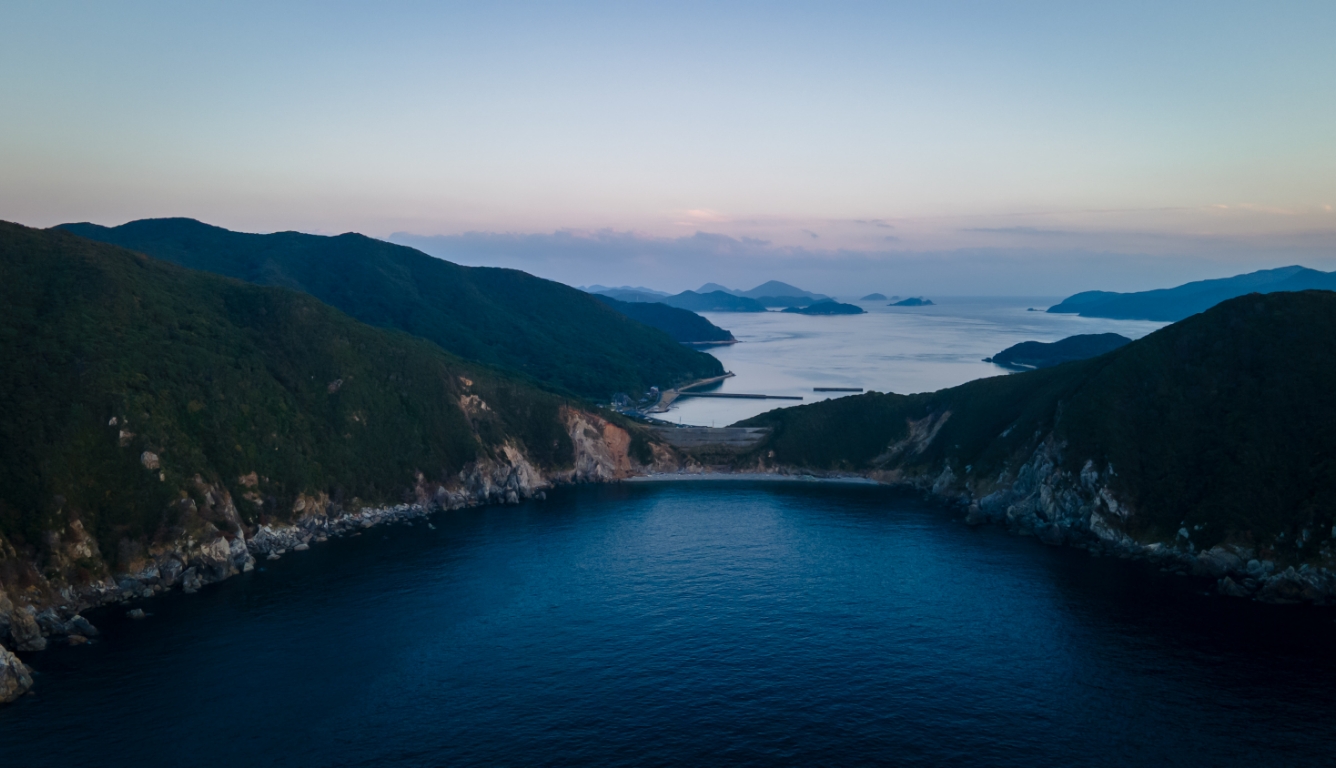
福江島、福江島の歴史
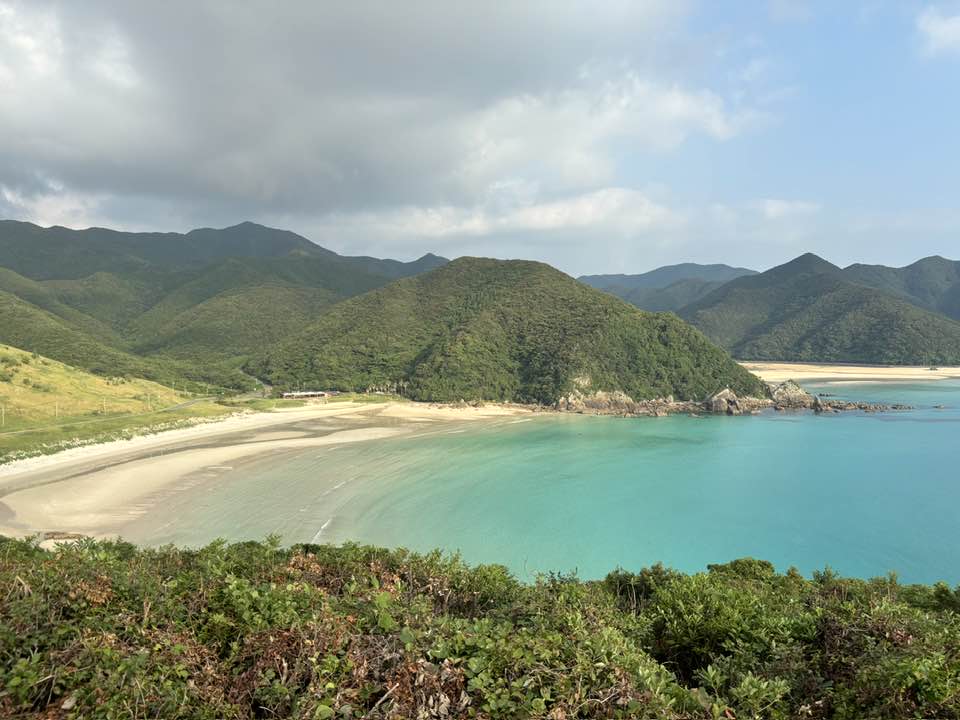
福江島そして福江島の歴史についての解説をします。
福江島
福江島は140の島々からなる五島列島の一部で、日本列島の南西端に位置する。五島列島の五つの主要島の中で最大かつ最南端の島であり、最もアクセスしやすい島である。五島福江空港には長崎と福岡から毎日複数の便が就航している。両都市からの飛行時間は約40分。長崎、福岡(博多港)、五島列島各島からのフェリー・高速船は福江港に到着する。長崎からの海上移動は船種により90分から3時間かかる。福江地区は島内最大の人口集積地であり、多くの訪問者の拠点となる。島内の他の地域を探索したいならばレンタカーの利用が推奨される。バス路線は限られており、タクシーも少ないためだ。
歴史的見どころ
町の中心部にある福江城(石田城とも呼ばれる)の跡地は、福江の江戸時代(1603年~1867年)の歴史を今に伝える重要な遺構。1863年に完成したこの城は、1867年の武家政権終焉前に日本で最後に築かれた城郭である。中核建造物はその後間もなく解体されたが、外郭の石垣と堀は現存し、1858年に造営された別邸と庭園も残されている。近くには五島藩の高位家臣が住んだ武家屋敷通りがある。町の郊外には明星院や大円寺など、五島藩主家と深い関わりを持つ寺院が点在する。後者には藩主家の霊廟が安置されている。
町の中心部近く、福江川のすぐ北岸には、16世紀の中国貿易拠点跡地に建てられた中国様式の寺院、明人堂が立つ。東シナ海を越えた交流の痕跡は、島の北部と西部、特に三井楽の島、白石湾、大宝にさらに古い形で残っている。これらの地域は、8~9世紀に唐の中国へ渡った多くの日本使節団の最終的な出発地として機能した。外交・商業関係の構築に加え、これらの「遣唐使」は中国政府・経済・文化・宗教の研究も命じられていた。
自然景観
福江町の真南に位置する鐙瀬海岸は、7キロに及ぶ海岸線。火山噴火で残された黒色溶岩が波の浸食を受け、奇岩怪柱を形成している。約1万8000年前の噴火源である標高315メートルの鬼岳が近くに見え、円錐形の山容と緑の草原が広がる特徴的な姿で容易に識別できる。登頂には約30分を要する。
島の西端には二つの人気スポットがある。大瀬崎灯台は東シナ海の広大な海を見渡す大瀬崎岬にそびえ立つ。最寄りの駐車場から徒歩約30分で到達可能だ。さらに北の海岸沿いには高浜海水浴場が広がり、400メートルにわたる白い砂浜は夏季には多くの海水浴客や日光浴客を惹きつける。
Fukue Island
Fukue Island is part of the Goto island chain, a group of some 140 islands located at the southwestern end of the Japanese archipelago. It is the largest and southernmost of the five main Goto islands, as well as the easiest to reach. Goto-Fukue Airport is served by multiple flights daily from Nagasaki and Fukuoka. The flight takes around 40 minutes from either city. Ferries and high-speed boats from Nagasaki, Fukuoka (Hakata), and other islands in the Gotos arrive at Fukue Port. From Nagasaki, the journey across the water takes from 90 minutes to three hours, depending on the vessel. The town of Fukue is the largest population center on the island; it serves as the base for most visitors. Those wishing to explore other parts of the island are advised to rent a car, as bus service is limited and taxis are few.
Historic highlights
The site of Fukue Castle, also known as Ishida Castle, in the center of town is a prominent reminder of Fukue’s Edo-period (1603–1867) history. Completed in 1863, the castle was the last structure of its kind built in Japan before the end of shogunal rule in 1867. The central buildings were demolished soon after that, but the outer stone walls and moat remain intact, as do a villa and garden built in 1858. Nearby is a street of samurai residences where the Goto domain’s senior retainers once lived. Several temples on the outskirts of town are closely associated with the Goto daimyo family, including Myojoin and Daienji, the site of the family’s mausoleum.
Near the center of town and just north of the Fukue River stands Minjindo Hall, a Chinese-style temple built on the site of a sixteenth-century Chinese trading post. Far older traces of exchange across the East China Sea can be found in the northern and western parts of the island, including the Mimiraku Peninsula, Shiraishi Bay, and Daiho. These areas served as the final staging grounds for many of the Japanese who traveled to Tang China between the eighth and ninth centuries. In addition to cultivating diplomatic and commercial ties, the envoys on these missions, known as kentoshi, were tasked with studying Chinese governance, economy, culture, and religion.
Natural attractions
Directly to the south of the town of Fukue lies the Abunze Coast, a 7-kilometer coastline where the ocean waves have sculpted black lava rock left behind by a volcanic eruption into strangely shaped pillars and crags. The source of the lava some 18,000 years ago, the 315-meter-high volcanic Mt. Onidake, stands nearby. It is easily recognized by its conical form and grassy slopes, and can be hiked in about 30 minutes.
Two of the most popular sights on the island are located on its western edge. The Osezaki Lighthouse towers over Cape Osezaki, overlooking the open waters of the East China Sea. The lighthouse can be reached on foot in about 30 minutes from the nearest parking lot. Farther north along the coast is Takahama Beach, a 400-meter-long expanse of white sand that attracts many swimmers and sunbathers during the summer months.
福江島の歴史
五島列島は歴史を通じて、日本とアジア大陸との接触と交流の最前線に位置してきた。列島最大の島である福江島は、千年以上もの間、文化交流・海上交易・防衛の要衝として特に重要な役割を担ってきた。
外交と宗教の交差点
630年から894年にかけて、日本は唐王朝(当時東アジアの文化的・政治的中心地)へ十数回の「遣唐使」を派遣した。福江島は多くの使節団にとって最終的な出発地であり、帰還時には最初の歓迎港となった。これらの航海は日本文化に深い影響を与えた。帰還した使節団は、新たなものや思想を持ち帰り、日本政府は土地改革政策や官僚機構、人口登録に至るまで唐式の制度を採用するに至った。
使節団は新たな仏教思想も伝えた。最澄(767–822)と空海(774–835)は804年の「遣唐使」使節の一員であった。中国での学修と経験に基づき、それぞれ天台宗と真言宗を創始。これらの宗派は何世紀にもわたり、日本の哲学・美意識、宗教思想と実践に深い影響を与えた。
中世の貿易と海賊
唐王朝の衰退に伴い使節派遣は10世紀頃に終息し、東シナ海では商人による交易が活発化した。13世紀から16世紀にかけ、福江島は当時の中国・朝鮮・台湾・日本を結ぶ広大な交易網の中枢拠点となった。
この貿易の富は海賊を引き寄せ、特に1371年以降、新たに成立した明王朝が海上交易の政府独占を布告すると顕著となった。倭寇(「日本の海賊」)と呼ばれる海賊たちは、朝鮮半島や中国沿岸の集落を襲撃した。これらの多国籍海賊はしばしば日本の戦国大名と結託しており、住民が応じれば商人として、拒めば海賊として活動させた。
五島列島を拠点とする商人・海賊集団は、朝鮮半島や中国沿岸で交易と略奪を行い、日本本土でも商売を展開。一部は莫大な利益と一定の政治的独立性を獲得した。この活動は後に通商条約で制限され、17世紀に強力な中央集権政府が台頭すると終焉を迎えた。
武士時代と潜伏キリシタン
17世紀初頭、徳川家康(1543-1616)が日本を統一し、徳川幕府を樹立した。その後、外国勢力への警戒を特徴とする比較的平穏な時代が続いた。これにはキリスト教の禁止と苛烈な弾圧も含まれていた。
福江は、幕府に忠誠を誓った地元の五島氏による城下町となった。1634年、藩主は家臣を町に集結させ、現在「武家屋敷通り」として保存されている地区を形成した。外国艦隊の侵攻への懸念から、1863年、石田城(福江城)の築城が遂に完了した。海上防衛を目的としたこの城は、たった9年後の幕府倒壊と共に解体された。
一方、福江島の入り組んだ入り江や険しい地形は、17~18世紀に九州で迫害を受けたキリスト教徒の避難場所となった。潜伏キリシタンの共同体は、1873年に明治政府がキリシタン禁制を撤去するまで福江島で生き延びた。彼らの遺産は、仏教の影響を受けた独特のキリスト教美術が特徴的な教会に今なお見られる。
History of Fukue Island
The Goto archipelago has been at the forefront of encounters and exchange between Japan and continental Asia throughout history. Fukue, the largest and outermost of the islands, has served as a particularly vital hub of cultural interaction, maritime commerce, and coastal defense for well over a thousand years.
A crossroads of diplomacy and religion
Between 630 and 894, Japan dispatched more than a dozen official missions to Tang-dynasty China, which was the cultural and political center of East Asia at the time. Fukue Island was the final staging ground for many of these expeditions, and the first port to welcome them upon their return. The envoys (kentoshi) who returned from these voyages profoundly reshaped Japanese society. They brought back goods and new ideas that led the emerging Japanese state to adopt Tang-style systems, from land reform policies and bureaucratic structures to population registers.
The envoys also introduced new schools of Buddhist thought. The priests Saicho (767–822) and Kukai (774–835) were part of the kentoshi mission of 804. Based on their studies and experiences in China, they established, respectively, the Tendai and Shingon schools, which had a significant influence on Japanese thinking and aesthetics, as well as religious thought and practice, for centuries.
Medieval trade and piracy
The envoy missions ceased around the tenth century as the Tang dynasty went into decline, but merchant exchange in the East China Sea continued to flourish. From the thirteenth to sixteenth century, Fukue was a central node in a vast trade network connecting present-day China, Korea, Taiwan, and Japan.
This wealth of trade attracted piracy, particularly after 1371, when the newly established Ming dynasty imposed a government monopoly on maritime exchange. Marauders called wako (“Japanese pirates”) raided settlements on the Korean and Chinese coasts. These multinational pirates were often in league with Japanese warlords, who sent the seafarers to engage in trade if the residents were willing or piracy if they refused.
Groups of merchants and pirates based in the Goto Islands traded and raided along the Korean and Chinese coasts and did business in mainland Japan. Many enjoyed a degree of autonomy from official control while amassing considerable wealth. Their activity was gradually curtailed by trade treaties and finally ended with the rise of powerful centralized governments in the seventeenth century.
The samurai era and Hidden Christians
At the beginning of the seventeenth century, Tokugawa Ieyasu (1543–1616) unified Japan and established the Tokugawa shogunate. What followed was a period of relative peace characterized by wariness toward foreign influence. This included the prohibition and brutal suppression of Christianity.
Fukue developed into a castle town under the local Goto family, who swore allegiance to the shogunate. In 1634, they consolidated their retainers within the town, establishing the district now preserved as the Street of the Samurai Quarter. In 1863, fear of naval invasion by foreign powers prompted the family to complete the long-delayed construction of Fukue Castle (Ishida Castle), which was positioned for maritime defense. The castle, however, was demolished just nine years later following the fall of the shogunate.
Meanwhile, the secluded coves and rugged terrain of Fukue offered refuge to Christians expelled from Kyushu, where believers faced severe persecution during the seventeenth and eighteenth centuries. Communities of Hidden Christians survived on Fukue until 1873, when the government of Emperor Meiji (1852–1912) lifted the prohibition on Christianity. Their legacy endures today in churches adorned with distinctive Buddhist-influenced Catholic iconography.