魅力スポット_巧明院
令和7年度「地域観光資源の多言語解説整備支援事業」に採択されました。
採択された多言語化の内容を掲載します。

巧明院
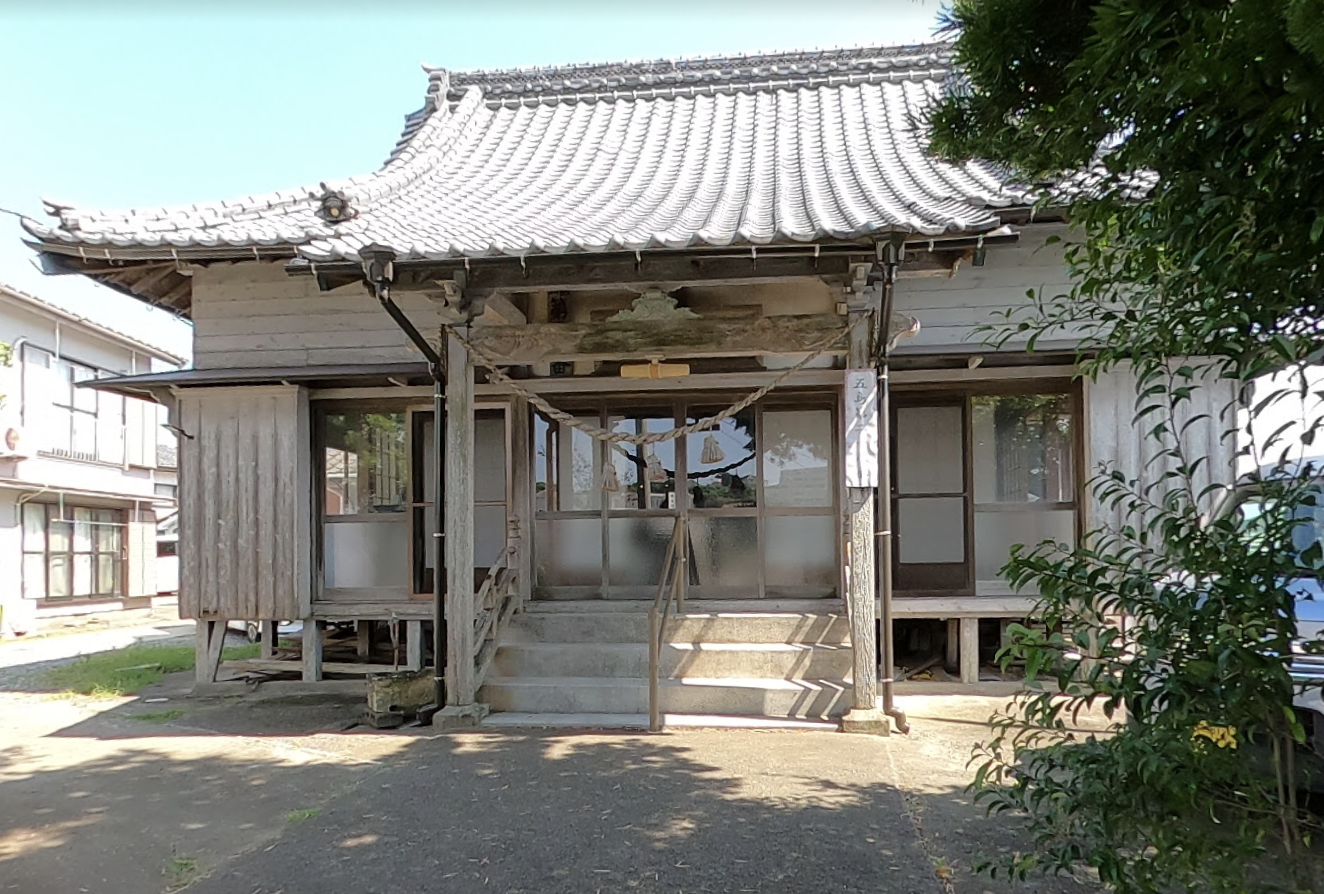
功明院は五島市大荒町にある天台宗のお寺で、「中野の寺」と呼ばれ、祈祷のためのお寺として知られていました。代々、視覚障害者が住職として奉職しており、先代も視覚障害者でしたが、2026年4月21日に先代の息子である健常者の住職の就任式が執り行われます。
功明院
〒853-0032 長崎県五島市大荒町1−2
功明院
福江地区の功明院では代々、僧侶たちが自ら足を運び、地域住民を災厄から守ることを使命としてきた。この寺は16世紀初頭、五島列島を船で巡り、家々を訪れて悪霊を祓った行脚の僧によって建立されたと伝えられている。その後継者たちは江戸時代(1603-1867)を通じて、五島藩主の認可を得てこの慣習を継承した。
功明院の僧侶は藩内約6,000戸の家々を巡り、家宅の清めや病の治癒を目的とした儀式を行った。その儀式には、短頸の箏である琵琶を奏でながら祈祷を唱える行為も含まれていた。琵琶を奏でる僧侶やシャーマンの伝統は、6世紀に中国から日本へ仏教が伝来する以前から存在していた。占い師兼儀式執行者として活動する彼らは、功明院の僧侶たちと同様に、しばしば盲目であった。視覚障害者はこの寺に養子として迎えられ、僧侶として奉職し、家々を巡って清める慣習を継承した。この慣習はつい最近まで五島列島の民間宗教において重要な要素であった。功明院を盲目の僧が司る伝統は、前代まで続いた。現在では住職不在で、地元住民が自ら寺を訪れ、厄除けの祈願を行う。
功明院は天台宗の寺院であるが、福江島で伝統的に一般的であった神仏習合の信仰形態の痕跡を多く残している。入口には鳥居風の門が立ち、本堂には神道式のしめなわが飾られている。功明院は五島八十八ヵ所札所巡りの28番札所である。
Komyoin Temple
For generations, the priests of Komyoin Temple in the town of Fukue dedicated themselves to protecting local residents from misfortune through personal visits. The temple is thought to have been established in the early sixteenth century by an itinerant priest who traveled around the Goto Islands by boat, visiting homes to perform rituals to drive away evil spirits. His successors continued this practice throughout the Edo period (1603–1867) with the blessing of the daimyo lord of Goto.
The priests of Komyoin would travel from house to house across the domain, which encompassed some 6,000 households, conducting purification rites and healing rituals. These ceremonies involved chanting prayers while playing the biwa, a short-necked lute. The tradition of biwa-playing priests or shamans predates the introduction of Buddhism to Japan from China in the sixth century. These figures, who acted as both fortune-tellers and performers of rituals, were often blind, as were the Komyoin priests. Visually impaired people were frequently adopted into the temple to serve as priests and carry on the practice of visiting households to purify them; until recently, this remained an important component of folk religious practice in the Goto Islands. The lineage of blind itinerant priests at Komyoin continued until a generation ago. Today, local residents visit the temple themselves to pray for protection from misfortune.
Komyoin is a Tendai Buddhist temple, yet it retains visible traces of the combination of Shinto and Buddhist religious practices traditionally prevalent on Fukue Island. Those traces include the torii-like gate at the entrance and a Shinto-style shimenawa rope that adorns the temple’s main hall. Komyoin is the 28th temple on the Goto 88-Temple Pilgrimage.