魅力スポット_明星院
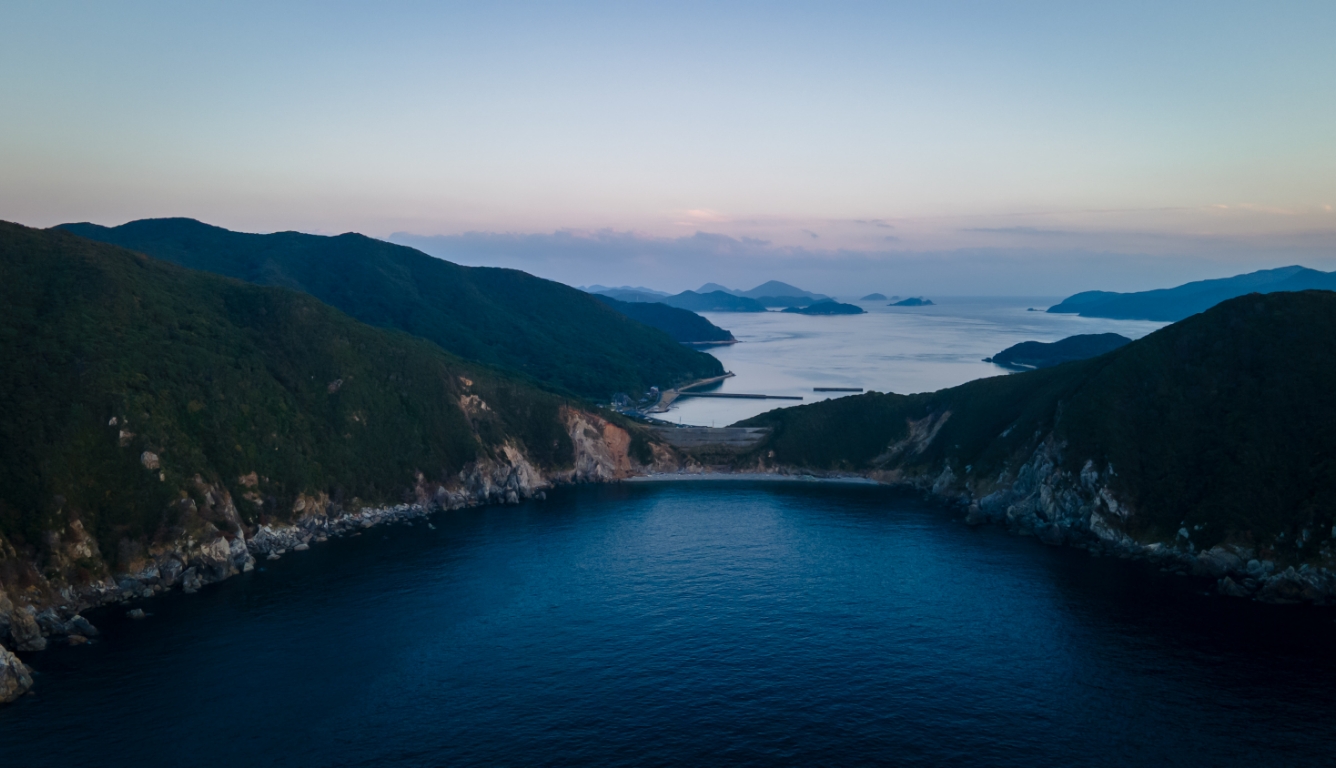
五島は、九州の西に連なる大小百四十余の島々で構成される列島です。主要な島は、福江島、久賀島、奈留島、若松島、中通島。それぞれに異なる表情を持つ風土や人々の営みがあります。また、透明度の高い海、深緑の山々や豊富な種類の草花などの美しい景観が、訪れる人を静かに包み込みます。
明星院
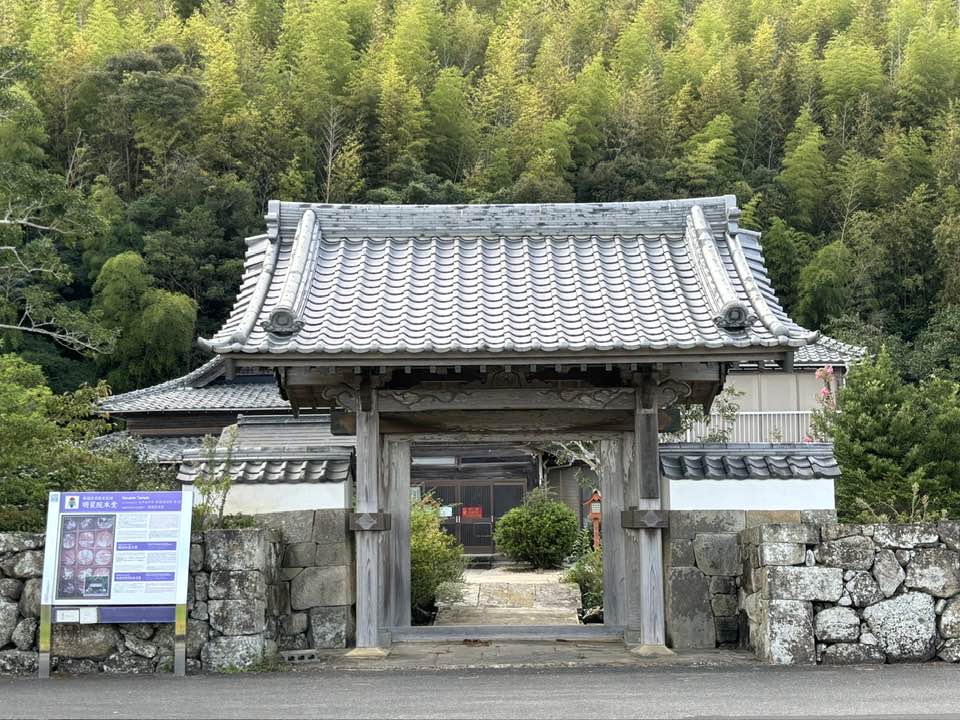
日本遺産である明星院の伽藍、本堂、天井画、天井画を描いた大坪玄能と狩野派に関して、そして久木山鎮守堂に関して解説しております。
〒853-0042 長崎県五島市吉田町1905
明星院 : 伽藍
福江の郊外にある明星院の伽藍は、真言宗の信仰において中心的な要素である即身成仏、すなわち「人みな仏のもとに生まれ仏のもとに還る」という再生の旅路を模して配置されている。山門をくぐると、まずは境内と外界を隔てる小さな池にかかる石橋を渡る。これは現世と来世の境界とされる川を渡ることを象徴している。
道は左に曲がり護摩堂へと続く。ここでは五大明王の一尊であり真言宗の教主である大日如来の化身としての不動明王の像と対面する。真言宗の教えによれば、不動明王は死者が冥界に到達した際に最初に出会う尊格である。通常、右手に煩悩を断ち切る剣、左手に悪心を縛り上げる縄を携え、火炎を背負い、怒りを露わにした威厳ある表情で描かれ、慈悲の心で人々を救う。明星院の不動明王像は青色に彩色され、深い思索にふけっているかのように視線をそらしているように見える。
脇には薬師如来(病を癒す仏)の銅像を納めた小さな木箱が置かれている。この像は、8~9世紀に五島列島経由で唐へ渡航した遣唐使が、海路の旅路の守護を願って携えたお守りであった可能性がある。伝説によれば、明星院はもともと遣唐使の宿舎であった。その使節の一人である空海は、806年に中国から帰国後、明星院を寺院に改めたと伝えられている。
再生への道は伽藍の最奥に位置する本堂で完結する。その格天井には主に草木や鳥の絵が描かれ、四隅には死者を極楽へ導く天女の姿が配されている。伽藍を巡る旅は、明星院の教えによれば、修行を積みながら心を清く保てば、誰もが成仏できることを象徴している。
Myojoin Temple Grounds
The grounds of Myojoin Temple on the outskirts of the town of Fukue are designed to represent the journey of rebirth, or attainment of Buddhahood in this life. This is a central element of Shingon Buddhism. After entering through the main gate, visitors cross a stone bridge over a small pond. This marks the separation between the secular world and the sacred precincts. It symbolizes the crossing of the river that is believed to mark the boundary between the world of the living and the afterlife.
The path then turns left toward the Goma Hall, where the principal image is a statue of Fudo Myo-o, one of the five Buddhist Wisdom Kings. Fudo Myo-o is an incarnation of Dainichi, the supreme deity of the Shingon school, and according to the school’s teachings, the first divinity that the dead encounter upon reaching the underworld. He is depicted with a wrathful expression against a background of flames, ready to lead devotees to salvation. He wields a sword in his right hand to strike down earthly desires, and in his left is a noose for ensnaring evil thoughts. The blue-painted Fudo Myo-o statue at Myojoin appears to be averting its gaze, as if in a contemplative state.
A small wooden box next to the Fudo Myo-o statue contains a copper statue of Yakushi, the Buddha of medicine and healing. This statue is believed to have been intended to protect the envoys who traveled to Tang China via the Goto Islands between the eighth and ninth centuries. Local tradition holds that Myojoin was originally a guest house for these envoys. Among them was Kukai (774–835), the founder of Shingon Buddhism, who upon his return from China in 806 is said to have converted the place into a temple.
The journey of rebirth through the grounds culminates in the Main Hall, on the far end of the temple grounds. The hall’s coffered ceiling is decorated with paintings mainly of plants and birds, while the four corners bear images of tennyo, celestial beings that lead the dead to paradise. The journey symbolizes how, according to the temple’s teachings, anyone can attain Buddhahood, as long as they devote themselves to spiritual practice and maintain a pure heart.
明星院 本堂
明星院の本堂は五島列島で現存する最古の木造建築である。1778年に再建され、江戸時代(1603–1867)を通じて列島を統治した五島家の重要な祈願所であった。太い檜の柱や色のついた壁といった建築的特徴を有するこの建物は五島における伝統的な寺院建築の保存状態の良い実例として重要である。
この堂は島内の他のより新しい寺院建築とは異なる装飾的細部が特徴である。外観では入口上部の梁に象の頭部を精巧に彫刻した一対が飾られている。象は仏教寺院でよく見られるモチーフであり、魔物や悪霊の侵入を防ぐための力の強大な守護役の象をあしらったものである。堂内では、天井に描かれた121点の草木・鳥獣・神獣の絵に加え、天保年間(1831-1845)の「三猿」(聞かざる・見ざる・言わざる)を描いた絵画など、日本の仏教美術でよく見られる題材の芸術作品が配されている。
本堂の本尊は、智慧と富を司る虚空蔵菩薩の像である。この像は黄金の厨子に安置されており、その扉は伝統的に百年ごとに一度だけ開かれる。この厨子の傍らには、右に地蔵菩薩像、左に阿弥陀如来像が設置されている。
Myojoin Temple : Main Hall
The Main Hall at Myojoin Temple is the oldest existing wooden structure in the Goto Islands. Built in 1778, it was an important site of prayer for the Goto family, which governed the islands throughout the Edo period (1603–1867). The building’s architectural characteristics include vibrantly colored interior walls and thick pillars made of hinoki cypress. It is significant as a well-preserved example of traditional temple architecture in the Goto Islands.
Several decorative details set the hall apart from newer temple buildings elsewhere in the islands. On the exterior, the ends of the beam over the entrance are adorned with elaborate carvings of elephant heads. The elephant is a common motif at Buddhist temples, as the animal has traditionally been considered a powerful guardian who protects against the invasion of monsters and evil spirits. Within the hall, the coffered ceiling is decorated with 121 paintings of plants, birds, and mythical creatures. Other artworks include a painting from the Tenpo era (1831–1845) depicting the three wise monkeys who “hear no evil,” “see no evil,” and “speak no evil”—another familiar subject in Japanese Buddhist art.
The primary object of worship in the hall is a statue of the bodhisattva Kokuzo, a deity associated with wisdom and prosperity. The image is kept in a golden reliquary cabinet whose doors are traditionally opened only once every hundred years. To the right of the cabinet stands a statue of the bodhisattva Jizo, the savior of all sentient beings, and to the left a likeness of the Amida Buddha.
明星院本堂 天井画
明星院本堂の格天井には植物や鳥、神話上の生き物を描いた鮮やかな彩色画121点が飾られている。これらの作品は17世紀初頭、列島全体を統治した五島家が本堂の内装を再塗装するよう画家に依頼した際に制作された。明星院は五島家の重要な祈願の場であった。彼らは当時の支配階級から高く評価されていた名門狩野派の画家、大坪玄能を招聘した。
「玄能」として知られる彼は、狩野派を代表する巨匠の一人である狩野永徳(1543–1590)に師事していた。晩年に京都から五島に渡った玄能は、明星院のお堂を自然のモチーフと吉祥の生き物で飾る作業に着手した。彼が描いた草木や鳥類は、主に日本固有種を題材とした狩野派の伝統様式に則っている。しかし一幅には松の枝に止まるオウムが描かれており、おそらく大名の異国の愛鳥を作品に取り込もうとした試みであろう。
堂の東側にある一図には、赤い太陽の前を飛ぶ一対の烏が描かれている。これは五島藩が新たな繁栄の時代を迎えることを願ったものと解釈されることが多い。部屋の外側部分の中央付近、五島藩主が祈りを捧げる位置の真上には、東アジア神話において徳の高い王の誕生を告げ、権力と吉兆の象徴とされる神鳥「鳳凰」が描かれている。天井の四隅には、死者を極楽へ導く「天女」の姿が配されている。
明星院の天井絵は、大坪玄能の最後の主要作品となった。彼はこれを完成させた後、五島で亡くなった。
yojoin Temple : Ceiling Paintings in the Main Hall
The coffered ceiling in the Main Hall of Myojoin Temple is adorned with 121 vividly colored paintings of plants, birds, and mythical beings. These artworks were produced in the early seventeenth century, when the Goto family that governed the islands commissioned an artist to repaint the interior of the hall, an important site of prayer for the family. The family selected Otsubo Genno, a painter of the renowned Kano school, which was held in high regard by the ruling class at the time.
Genno, as he was known, had studied under Kano Eitoku (1543–1590), one of the most celebrated masters of the Kano school. Genno, who was no longer young when he arrived in Goto from Kyoto, soon set out to adorn the hall’s ceiling with designs from nature and auspicious creatures. The plants and birds he painted are in the traditional style of the Kano school, depicting mainly species native to Japan. One image, however, shows a parrot on a pine branch—perhaps the daimyo lord’s cherished pet, included by the artist as a personal gesture.
In one image on the eastern side of the ceiling, a pair of ravens fly before a red sun. This is often interpreted as a wish for the Goto domain to enter into a new era of prosperity. Depicted near the center of the room’s outer section, directly above where the lord of Goto would sit in prayer, is a ho-o, the mythical phoenix that in East Asian lore heralds the birth of a virtuous king and is considered a symbol of power and good fortune. The ceiling’s four corners bear images of tennyo, celestial beings who guide the dead toward paradise.
The ceiling paintings at Myojoin turned out to be Otsubo Genno’s final major work. He died in Goto soon after completing them.
狩野派
狩野派は、日本美術史上最も影響力のある画派と広く認められている。支配階級の寵愛を受け、三世紀以上にわたり日本の美術界で主導的な地位を維持した。
この流派は、1338年から1573年まで日本を統治した軍事政権である足利幕府の御用絵師であった狩野正信(1434–1530)とその息子・狩野元信(1476–1559)によって京都で創設された。狩野派の様式は、繊細でニュアンス豊かな筆致を用いて山水や自然景観、禅宗祖師の肖像を表現する中国水墨画の一形態から派生した。元信はこの様式をさらに発展させ、中国技法に加え日本の伝統技法を取り入れた。彼の革新により狩野派は多様な様式を探求し、多くの弟子を集めるに至った。
元信の孫である狩野永徳(1543–1590)は、より大胆な方向へ流派を導き、足利幕府崩壊後に国を掌握しようと争った戦国大名たちの寵愛を得た大規模な絵画で名を馳せた。永徳の劇的な構図は、しばしば印象的な金地を背景として用いられ、この時期に建てられた多くの壮麗な城を飾るようになった。1600年代初頭、徳川幕府の成立により権力の中心が京都から江戸(現在の東京)へ移ると、狩野派も新首都へ移住した。狩野派の画家たちは江戸時代(1603–1867)を通じて、徳川幕府と密接な関係を保ち続けた。
The Kano School
The Kano school is widely regarded as the most influential school of painting in Japanese history. As it was favored by the ruling class, it maintained a dominant position in the country’s art world for more than three centuries.
The school was founded in Kyoto by Kano Masanobu (1434–1530), chief painter to the Ashikaga shogunate, the military government that ruled Japan from 1338 to 1573, and his son Kano Motonobu (1476–1559). The Kano style was derived from a form of Chinese ink painting in which subtle and nuanced brushwork was employed to depict landscapes and other natural scenes, as well as images of Zen Buddhist patriarchs. Motonobu further refined the style by rendering Japanese aesthetic sensibilities using Chinese techniques. His innovations enabled the Kano school to embrace diverse forms of art and attract a wide circle of apprentices.
Motonobu’s grandson Kano Eitoku (1543–1590) led the school in a bold new direction, earning acclaim for his monumental works. These were especially appealing to the warlords who vied for control of the country after the fall of the Ashikaga shogunate. Eitoku’s dramatic compositions, often on striking gold backgrounds, adorned many of the grand warlord castles constructed during this period. In the early 1600s, when the country’s center of power shifted from Kyoto to Edo (now Tokyo) with the establishment of the Tokugawa shogunate, the Kano school relocated to the new capital. The Kano painters retained a close association with the Tokugawa regime throughout the Edo period (1603–1867), serving as official artists to the shogunate.
久木山 鎮守堂
明星院の上にある森に囲まれた丘に建つ小さな久木山鎮守堂は、1633年に自らの命を捧げ、ミイラ化(即身仏)をした同寺の元住職・宥尊上人の記憶を偲んで建立された。
この究極の信仰行為は、密教真言宗の一部宗派で伝統的に実践され、輪廻の苦しみを経ずに現世で成仏する道と信じられてきた。即身仏となることを志す修行者は、真言教義において遠い未来に浄土をもたらすと予言される菩薩・弥勒の到来を待つ間、肉体を保持できると考えられていた。
自己ミイラ化は最大10年を要する過程を経て達成された。即身仏を目指す者は、腐敗しやすい組織を除去するため極めて厳格な食事制限を課した。穀物や脂肪源を一切摂取せず、代わりに野草・葉・樹皮・根で栄養を補った。体内の水分量を最小限に抑えるため、漆の樹液から作られた毒性のある茶だけを飲んだ。この茶は内臓を徐々に覆い、防腐剤として作用した。時が来たと感じた時、修行者は小さな石棺に閉じ込められ、埋蔵された。石棺の中から地上へ1本の竹の管を通して息抜きとした。蓮華座で座り、深い瞑想状態に入り、呼吸が止まり心臓の鼓動が止まるまで続けた。
久木山鎮守堂は、宥尊上人の棺が埋葬された穴の上に建てられた。彼が自らをミイラ化しようとした正確な動機は不明である。しかし一般的に、即身仏となることを決意した者の多くは、飢饉や自然災害といった災厄に直面した際、自らの犠牲が周囲の人々の苦境を和らげると信じてそうした行為に及んだ。
Kugiyama Chinjudo Hall
The small Kugiyama Chinjudo Hall in the forested hills above Myojoin Temple was built in memory of Yuson Shonin, a former head priest of the temple, who in 1633 gave up his life through self-mummification, becoming a sokushinbutsu, or living Buddha.
This act of profound devotion, once practiced in some branches of esoteric Shingon Buddhism, was believed to be a means of attaining Buddhahood in this life without the need to undergo the cycle of rebirth. A devotee who aspired to becoming a sokushinbutsu would be able to retain their physical form while awaiting the arrival of the bodhisattva Miroku (Maitreya), who in Shingon doctrine is prophesied to bring forth an enlightened age in the distant future.
Self-mummification was accomplished through an arduous process that could extend over a decade. An ascetic intending to become a sokushinbutsu would adopt a rigorous diet to rid his body of tissue prone to decomposition. Abstaining from grains and fats, he subsisted on wild plants, tree bark, and roots. In order to minimize the amount of fluid in his body, he drank only a toxic tea made from lacquer sap that slowly coated the internal organs, acting as a preservative. When he felt the time had come, the ascetic would be enclosed in a small stone casket and buried, with only a bamboo tube running from the casket to aboveground to allow him to breathe. Seated in the lotus position, he would enter a deep meditative state until his breathing stopped and his heart ceased to beat.
Kugiyama Chinjudo Hall was built above the site where Yuson Shonin’s casket was interred. The precise reason behind his decision to undertake self-mummification remains unknown. In general, however, many of those who committed to becoming a sokushinbutsu did so in response to a calamity such as a famine or natural disaster, believing that their sacrifice would alleviate the plight of those around them.